Energy healing is a fascinating field that merges ancient practices with modern wellness strategies, offering a unique approach to health and well-being. From Reiki to acupuncture, these techniques harness the body’s energy to promote healing and balance.
This exploration dives into various energy healing methods, their underlying principles, and real-life testimonials from those who have experienced transformative sessions. Additionally, we’ll discuss how these practices can be integrated into traditional healthcare, enhancing treatment outcomes for chronic conditions and mental health issues.
Energy Healing Techniques
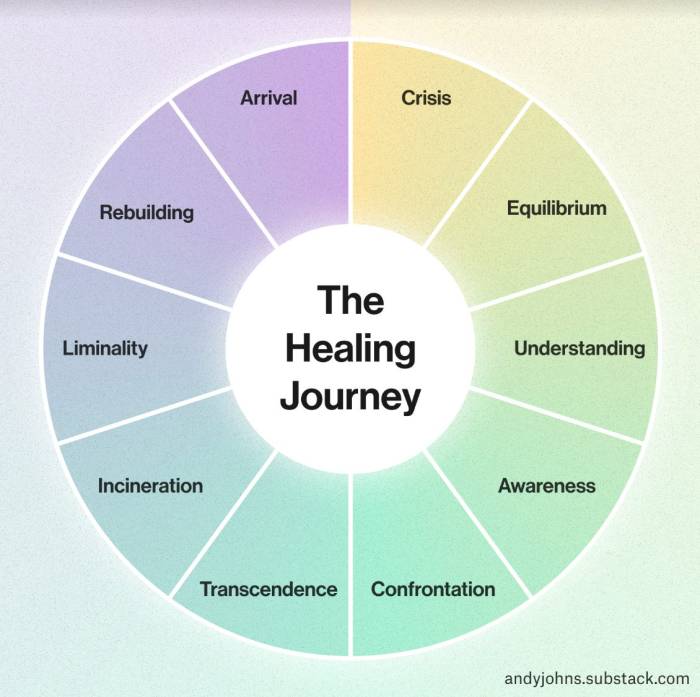
Energy healing encompasses a variety of methods that aim to balance the body’s energy systems, promoting physical and emotional well-being. These techniques are rooted in the belief that a life force or energy flows through all living things, and disruptions in this flow can lead to illness. By restoring the natural balance, these modalities help individuals recover from ailments and enhance their overall health.
Reiki
Reiki is a Japanese technique that promotes relaxation and healing by channeling energy through the practitioner’s hands to the recipient. The fundamental principle behind Reiki is the concept of universal life force energy. Practitioners believe that this energy can be harnessed and directed to help remove blockages and promote healing in the body. During a session, clients typically lie down fully clothed while the practitioner lightly places their hands on or near the body.
Many individuals report experiencing a deep sense of peace and relaxation, with some even experiencing physical sensations such as warmth or tingling.
Acupuncture
Acupuncture is a traditional Chinese medicine practice that involves the insertion of thin needles into specific points on the body. This technique is based on the belief that energy, or “Qi,” flows through meridians in the body. Disruptions in this flow can lead to various health issues. By inserting needles at specific points, acupuncture aims to restore balance and promote the smooth flow of energy.
Studies have shown that acupuncture can effectively alleviate pain, reduce stress, and improve overall health. Patients often share transformative experiences, reporting significant relief from chronic pain and improved emotional well-being after just a few sessions.
Chakra Healing
Chakra healing focuses on the seven energy centers within the body, known as chakras. Each chakra is thought to be associated with different physical, emotional, and spiritual aspects of well-being. The belief here is that when these chakras are blocked or unbalanced, it can lead to various health problems. Practitioners use various techniques, such as meditation, visualization, and crystals, to clear and balance the chakras.
Clients often describe feelings of lightness and clarity after chakra healing sessions, noting improvements in their emotional states and physical health.
Energy healing practices encourage individuals to reconnect with their inner selves, facilitating a journey toward self-discovery and wholeness.
Overall, energy healing techniques like Reiki, acupuncture, and chakra healing provide valuable options for those seeking alternative methods to enhance their well-being. Testimonials from individuals who have engaged in these practices highlight their benefits, showcasing a range of physical and emotional transformations that reinforce the efficacy of these holistic approaches.
Integrating Energy Healing in Healthcare
In recent years, the intersection of energy healing and traditional healthcare has garnered increasing attention. Integrating energy healing practices into conventional medical settings offers a novel approach to patient care, enhancing holistic treatment options. This integration not only addresses physical ailments but also nurtures emotional and spiritual wellbeing, aligning with a more comprehensive view of health.Energy healing can be effectively incorporated into traditional healthcare settings by establishing collaborative frameworks between practitioners of conventional medicine and trained energy healers.
Hospitals, clinics, and wellness centers can create integrative programs that include energy healing modalities as complementary therapies alongside standard medical treatments. This approach may provide patients with a more personalized and supportive healing environment, focusing on both the physical and energetic aspects of health.
Benefits of Integration
The potential benefits of integrating energy healing with conventional medical practices are significant. Some of these advantages include:
-
Enhanced patient satisfaction and comfort.
Many patients report feeling more at ease and supported when energy healing is part of their treatment plan.
-
Improved emotional and psychological wellbeing.
Energy healing can help reduce anxiety, depression, and stress, which are often associated with chronic illnesses.
-
Complementary support for pain management.
Techniques such as Reiki and Therapeutic Touch may help alleviate pain and enhance recovery from surgical procedures.
-
Potential for reduced medication dependency.
By addressing energetic imbalances, patients may experience less need for pharmaceutical interventions.
Challenges of Integration
While the integration of energy healing into healthcare presents numerous benefits, it also comes with challenges that need to be addressed:
-
Lack of standardization and regulation.
Energy healing practices are diverse, leading to inconsistencies in practitioner training and methodologies.
-
Skepticism within the medical community.
Many healthcare professionals may be hesitant to embrace energy healing due to a lack of scientific validation and empirical evidence.
-
Insurance and reimbursement issues.
Limited coverage for energy healing services can hinder accessibility for patients seeking these treatments.
-
Need for clear communication.
Effective integration requires transparent communication between energy healers and medical practitioners to ensure cohesive patient care.
Case Studies of Successful Integration
Several case studies illustrate the successful integration of energy healing alongside standard treatments for chronic conditions. One notable example involves a cancer treatment center that incorporated Reiki therapy into its patient support program. Patients receiving Reiki reported lower levels of pain and anxiety during chemotherapy sessions, contributing to an overall improved quality of life.Another case study highlighted the use of acupuncture, a form of energy healing, in pain management for patients undergoing surgery.
Research demonstrated that patients who received acupuncture in conjunction with traditional pain relief methods experienced less postoperative pain and required fewer narcotics.Such examples not only underscore the efficacy of energy healing but also pave the way for future studies and expansions of integrative health practices within mainstream healthcare settings.
Energy Healing’s Role in Mental Health and Wellness
Energy healing is increasingly recognized as a valuable tool for enhancing mental health and overall wellness. With its focus on balancing and restoring the body’s energy systems, energy healing has shown promise in alleviating conditions such as anxiety and depression. By promoting relaxation and emotional stability, these techniques can play a significant role in mental health care, complementing traditional treatment methods.Energy healing techniques, such as Reiki, acupuncture, and emotional freedom techniques (EFT), have been reported to reduce symptoms of anxiety and depression by fostering a state of relaxation and emotional balance.
For instance, a study published in the Journal of Alternative and Complementary Medicine found that participants who received Reiki reported lower levels of anxiety after sessions, illustrating the potential benefits of energy healing in addressing mental health concerns. These methods work by removing energetic blockages, which are often associated with emotional distress, allowing individuals to experience relief from negative thoughts and feelings.
Energy Healing as a Complementary Therapy for Addiction Recovery
Integrating energy healing into addiction recovery offers a holistic approach that addresses the emotional and spiritual aspects of addiction. The emotional turmoil often associated with addiction can be alleviated through various energy healing practices that promote mental clarity and emotional healing. The following are some key benefits of energy healing in addiction recovery:
- Reduces stress and anxiety: Many individuals in recovery experience heightened levels of anxiety. Energy healing techniques can help calm the mind and reduce stress, making the recovery process more manageable.
- Supports emotional healing: Energy healing encourages the release of pent-up emotions, aiding individuals in processing their feelings related to addiction, which is vital for long-term recovery.
- Enhances self-awareness: Practices like meditation and mindfulness, often included in energy healing, help individuals develop greater awareness of their thoughts and feelings, fostering personal growth and resilience against relapse.
- Promotes a sense of belonging: Many energy healing practices are performed in group settings, providing participants with a sense of community and support that can be crucial during recovery.
Guide to Incorporating Energy Healing Practices into a Wellness Routine
Creating a wellness routine that includes energy healing practices can significantly enhance mental health and overall well-being. Here’s a step-by-step guide to help individuals incorporate these techniques into their daily lives:
1. Identify your needs
Begin by assessing your mental health needs and goals. Are you looking to reduce anxiety, process emotions, or enhance overall well-being?
2. Research different techniques
Explore various energy healing modalities such as Reiki, acupuncture, or EFT. Understanding the methods that resonate with you is crucial.
3. Set a regular schedule
Consistency is key in energy healing. Designate specific times each week to practice your chosen techniques, whether it’s through self-healing or sessions with a practitioner.
4. Create a calming space
Designate a peaceful area in your home for energy healing practices. Incorporate elements like soothing colors, soft lighting, and calming scents to enhance the environment.
5. Pair with traditional therapies
Communicate with your healthcare provider about incorporating energy healing into your treatment plan. This ensures a well-rounded approach to mental health care.
6. Practice mindfulness
Incorporate mindfulness techniques like meditation or deep breathing exercises into your routine to enhance the effects of energy healing.
7. Reflect on progress
Regularly evaluate how energy healing practices are impacting your mental health. Journaling your feelings and experiences can provide insight into your journey.By following these steps, individuals can seamlessly integrate energy healing practices into their wellness routines, fostering a balanced approach to mental health and emotional well-being.
Last Word
In conclusion, energy healing serves as a compelling complement to conventional medicine, bridging the gap between physical and emotional well-being. By understanding its techniques, benefits, and potential for integration into healthcare systems, individuals can unlock new pathways to healing and wellness.
Expert Answers
What is energy healing?
Energy healing is a holistic practice that uses various techniques to balance and restore the body’s energy systems for improved health.
Is energy healing safe?
Yes, energy healing is generally considered safe and can complement traditional medical treatments.
How long does an energy healing session last?
Sessions typically last between 30 to 90 minutes, depending on the technique used and individual needs.
Can anyone practice energy healing?
While anyone can learn energy healing techniques, formal training is recommended for effective practice and understanding.
What should I expect during a session?
During a session, you’ll typically relax while the practitioner works to balance your energy, often using gentle touch or distance techniques.