Functional fitness training emphasizes movements that replicate everyday activities, making it an essential approach to physical fitness. This method not only focuses on strength but also on flexibility, balance, and coordination, ensuring that individuals are well-prepared for daily tasks. By integrating these elements, functional fitness training stands out from traditional workout routines, which often isolate muscle groups rather than fostering overall functionality.
Moreover, the benefits of functional fitness extend beyond just physical performance; they encompass mental health improvements and emotional well-being, making it a holistic approach to fitness. Understanding its core principles can empower individuals to enhance their quality of life significantly.
Introduction to Functional Fitness Training
Functional fitness training is a method of exercising that focuses on movements and activities that mimic everyday tasks. This approach emphasizes building strength, flexibility, and endurance through exercises that engage multiple muscle groups, improving overall body mechanics and coordination. The core principles of functional fitness include training the body as a whole, incorporating balance and stability, and ensuring that workouts translate directly to real-life movements.Incorporating functional fitness into daily routines offers numerous benefits.
It enhances the body’s ability to perform daily activities, reducing the risk of injuries and improving overall quality of life. By focusing on movements we engage in regularly, such as squatting, lifting, pushing, and pulling, individuals can expect to see improvements in their strength, mobility, and endurance, making tasks like carrying groceries or playing with children much easier. This style of training not only fosters better physical capability but also promotes confidence in everyday activities.
Distinguishing Functional Fitness from Traditional Workout Routines
Functional fitness diverges significantly from traditional workout routines, which often prioritize isolated muscle training through machines or weight lifting. Traditional workouts may focus on bodybuilding or aesthetic improvements, whereas functional training is all about practical applications. Here are key distinctions:
- Movement Patterns: Functional fitness emphasizes compound movements that engage multiple muscle groups, while traditional workouts may isolate specific muscles.
- Real-life Relevance: The exercises in functional fitness are designed to improve real-world movements, enhancing daily functional abilities, as opposed to purely aesthetic outcomes seen in traditional training.
- Flexibility and Balance: Functional training incorporates balance and flexibility exercises, which are often neglected in traditional routines focused on strength building.
- Customized Approach: Functional fitness can be tailored to individual needs and everyday challenges, making it more adaptable compared to rigid traditional workout structures.
The essence of functional fitness lies in its ability to prepare the body for real-life situations, improving movement quality and reducing injury risk.
In summary, functional fitness training goes beyond conventional workouts to focus on enhancing day-to-day activities through practical and holistic approaches to physical fitness.
Integrating Functional Fitness with Health and Wellness
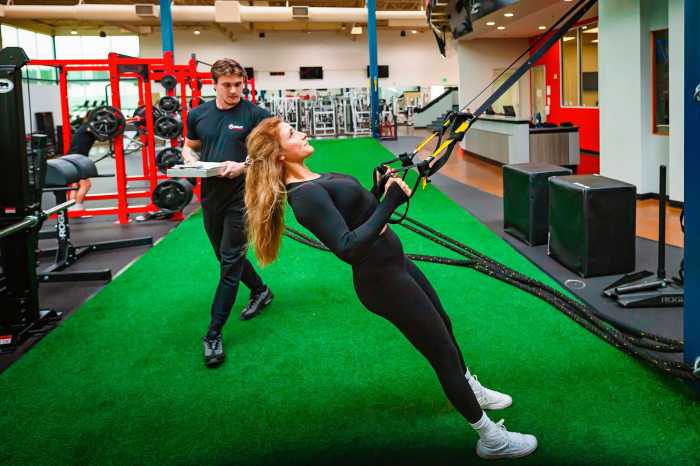
Functional fitness training goes beyond physical strength; it serves as a vital component of holistic health and wellness, bridging the gap between body and mind. By engaging in exercises that enhance daily life movements, individuals can experience not only physical improvements but also boosts in mental and emotional well-being. This integration creates a comprehensive approach to health, allowing individuals to thrive physically and mentally.
Mental Health and Emotional Well-Being
The impact of functional fitness on mental health is profound, providing a natural way to alleviate stress and anxiety. Engaging in regular physical activity releases endorphins, often referred to as ‘feel-good’ hormones, which are crucial for improving mood and reducing feelings of depression. Additionally, functional fitness promotes mindfulness through focused movement patterns, allowing individuals to be present and aware of their bodies, which can lead to improved emotional regulation.
- A study published in the
- American Journal of Lifestyle Medicine* Artikels how regular exercise, including functional fitness, can significantly reduce symptoms of anxiety and depression.
- Group functional fitness classes can foster a sense of community, which is essential in combatting loneliness and enhancing social support networks.
“Exercise is a celebration of what your body can do, not a punishment for what you ate.”
Relationship Between Functional Fitness and Nutrition
Nutrition plays a pivotal role in optimizing performance in functional fitness training. A balanced diet enhances energy levels, recovery, and overall performance, making it essential for anyone looking to get the most out of their workouts. The combination of functional fitness and proper nutrition can lead to improved body composition, better immune function, and enhanced mental clarity.
Macronutrients such as proteins, carbohydrates, and fats must be tailored to support the intensity and frequency of workouts. For instance
Proteins are crucial for muscle repair and growth.
Carbohydrates provide energy to fuel workouts.
Healthy fats support long-term energy and joint health.
Ensuring proper hydration is also essential, as it affects physical performance and cognitive function.
Incorporating Functional Fitness into Healthcare Programs for Addiction Recovery
Functional fitness can play a transformative role in addiction recovery programs, offering a constructive outlet for individuals seeking to rebuild their lives. Integrating physical activity into recovery not only aids in physical rehabilitation but also supports emotional healing and interpersonal relationships. To effectively incorporate functional fitness into healthcare programs for addiction recovery, consider the following steps:
1. Assessment of Individual Needs
Evaluate physical capabilities and any limitations to create personalized fitness plans.
2. Integration with Therapy
Combine fitness sessions with counseling to address both physical and emotional aspects of recovery.
3. Focus on Life Skills
Use functional movements that mimic daily activities, promoting independence and self-efficacy.
4. Build Supportive Communities
Encourage group sessions where participants can share experiences and foster camaraderie.
5. Goal Setting
Establish achievable fitness goals that align with recovery milestones to motivate participants.Through these strategies, functional fitness can significantly enhance the recovery journey by fostering resilience and promoting a healthier lifestyle.
Functional Fitness for Special Populations
Functional fitness training can be highly beneficial for various special populations, as it is designed to enhance daily living activities and improve overall health. This segment explores how functional fitness can be tailored to meet the unique needs of children, individuals with chronic conditions or disabilities, and women, particularly focusing on postpartum recovery. By adapting training methodologies to fit these diverse groups, we can ensure that everyone has the opportunity to engage in effective and safe physical activity.
Training Plan for Children Focusing on Functional Movements
Creating a training plan for children that emphasizes functional movements is crucial for their physical development and overall fitness. This plan should be engaging and age-appropriate, incorporating activities that encourage natural movement patterns, enhance coordination, and build strength.Key components of a children’s functional fitness training plan include:
- Warm-Up Activities: Fun games like tag or relay races that focus on dynamic movements.
- Balance and Coordination Exercises: Activities such as hopping on one foot, balance beam walks, and obstacle courses.
- Strength Training: Bodyweight exercises like squats, push-ups, and lunges that are adapted for their size and ability.
- Flexibility and Mobility: Incorporating stretches and yoga poses to improve flexibility and prevent injuries.
- Cool Down: Engaging in calm activities like deep breathing and light stretching to help them relax.
This approach not only promotes physical fitness but also instills a love for movement that can last a lifetime.
Functional Fitness Adaptations for Individuals with Chronic Conditions or Disabilities
Functional fitness for individuals with chronic conditions or disabilities requires a tailored approach that considers their specific limitations and capabilities. The aim is to improve functional independence and enhance quality of life through safe and effective exercise.The following adaptations and considerations are essential:
- Personalized Assessment: Evaluating individual capabilities and limitations to create a customized fitness plan.
- Low-Impact Exercises: Incorporating activities such as swimming, cycling, or seated aerobics that reduce strain on the body.
- Assisted Movements: Utilizing equipment like resistance bands, stability balls, or specialized machines to support proper form and reduce the risk of injury.
- Functional Tasks Training: Focusing on movements needed for daily activities, such as reaching, bending, and standing up from a seated position.
- Gradual Progression: Ensuring that intensity and complexity are gradually increased to match the individual’s progress.
These adaptations can greatly enhance self-efficacy and motivation while ensuring safety during workouts.
Functional Fitness Regimen for Women Addressing Unique Health Concerns
Women face unique health concerns that can be addressed through a well-structured functional fitness regimen. This is especially relevant during and after pregnancy, where specific focus on postpartum recovery can significantly aid in overall well-being.Essential elements of a functional fitness program for women include:
- Core Strengthening: Emphasizing exercises like pelvic tilts, modified planks, and abdominal bracing to rebuild core strength post-pregnancy.
- Pelvic Floor Health: Incorporating Kegel exercises and other pelvic floor strengthening techniques to prevent issues like incontinence.
- Joint Stability and Flexibility: Focusing on movements that enhance joint stability, such as hip bridges and wall sits, along with stretching routines to improve flexibility.
- Cardiovascular Fitness: Encouraging low-impact cardio exercises, such as brisk walking or cycling, that can be safely performed during and after pregnancy.
- Social Support and Community: Creating group classes or support networks that encourage engagement and motivation among women.
By focusing on these areas, women can effectively navigate their health concerns and ensure a strong, functional recovery during their postpartum journey.
Summary
In conclusion, functional fitness training serves as a comprehensive strategy to improve both physical and mental health, catering to diverse populations. By focusing on functional movements, individuals can experience enhanced performance in daily activities, leading to a more active and fulfilling lifestyle. As we integrate functional fitness into various aspects of health and wellness, from nutrition to specialized training plans, the potential for transformation is immense.
FAQ Overview
What is functional fitness training?
Functional fitness training focuses on exercises that improve daily activities by enhancing strength, flexibility, and coordination.
How does functional fitness differ from traditional workouts?
Unlike traditional workouts that often isolate muscle groups, functional fitness emphasizes movements that mimic real-life tasks.
Can functional fitness help with mental health?
Yes, functional fitness can improve mental health by promoting a sense of achievement and reducing stress through physical activity.
Is functional fitness suitable for everyone?
Absolutely! Functional fitness can be adapted for all ages and fitness levels, including special populations with specific needs.
How can I incorporate functional fitness into my routine?
Start by adding exercises that mimic daily activities, such as squats, lunges, and balance training, into your regular workout.