Mental health disorders encompass a wide range of conditions that affect individuals’ emotional, psychological, and social well-being. From anxiety and depression to more severe disorders like schizophrenia, understanding these conditions is crucial as they are more common than many realize, affecting millions worldwide. Recognizing symptoms and knowing the risk factors can lead to early intervention and effective management, paving the way for healthier lives.
As mental health continues to gain attention in public discourse, it is vital to explore the role healthcare systems play in providing necessary support. Accessibility to mental health services, innovative treatment approaches, and lifestyle adjustments can significantly impact those struggling with these disorders, leading to improved outcomes and overall well-being.
Understanding Mental Health Disorders
Mental health disorders encompass a variety of conditions that affect an individual’s emotional, psychological, and social well-being. These disorders can impact how people think, feel, and behave, ultimately influencing their ability to handle stress, relate to others, and make choices. Understanding the diverse types of mental health disorders, their symptoms, and the contributing risk factors is crucial for promoting awareness and providing support.Mental health disorders can be categorized into several types, each with distinct characteristics and prevalence rates.
According to the World Health Organization (WHO), mental health disorders affect approximately one in four people at some point in their lives. The most common types include anxiety disorders, mood disorders, personality disorders, and psychotic disorders. Here’s a brief overview of each category:
Types of Mental Health Disorders
The landscape of mental health disorders is broad, with various categories representing different symptoms and effects. Here are some key types and their relevance:
- Anxiety Disorders: These are characterized by excessive fear or anxiety. Common examples include Generalized Anxiety Disorder (GAD) and Social Anxiety Disorder. Prevalence rates show that anxiety disorders affect around 18% of adults in the U.S.
- Mood Disorders: These include major depressive disorder and bipolar disorder, where individuals experience significant mood swings. The National Institute of Mental Health (NIMH) reports that around 7% of adults experience major depression annually.
- Personality Disorders: These involve enduring patterns of behavior and inner experience that deviate from cultural expectations. Examples include Borderline Personality Disorder and Antisocial Personality Disorder.
- Psychotic Disorders: Schizophrenia is the most well-known type, marked by distorted thinking and perceptions. Approximately 1% of the population is affected by schizophrenia.
Symptoms and Effects of Common Mental Health Disorders
The symptoms of mental health disorders vary widely and can significantly impact daily functioning. Recognizing these symptoms is essential for early intervention and treatment. Common symptoms include:
- Emotional Symptoms: Feelings of sadness, emptiness, or hopelessness are prevalent in mood disorders. Anxiety disorders may manifest as persistent worrying or irritability.
- Cognitive Symptoms: These include difficulties with concentration, memory problems, and indecisiveness, primarily observed in depression and anxiety disorders.
- Behavioral Symptoms: Changes in sleep patterns, withdrawal from social activities, or alterations in appetite can indicate a mental health issue.
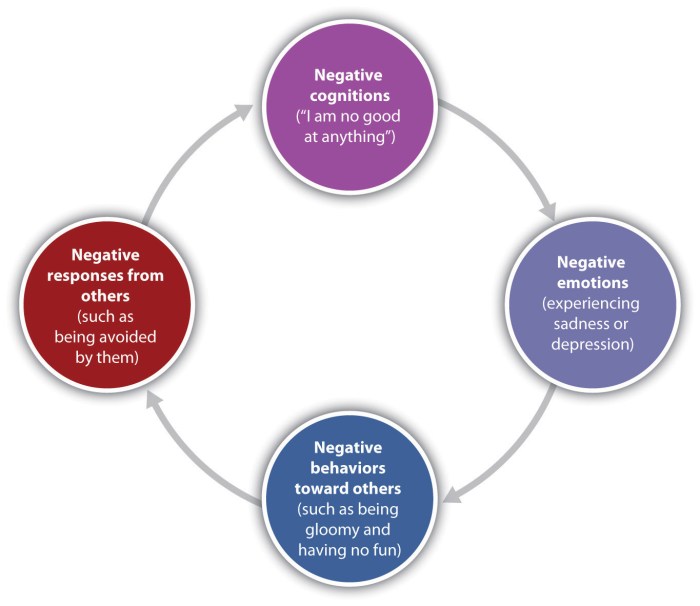
The effects of these disorders can be profound, affecting relationships, work performance, and overall quality of life. People may struggle with maintaining personal connections or fulfilling responsibilities, leading to a cycle of stress and isolation.
Risk Factors Contributing to Mental Health Disorders
Various risk factors can increase the likelihood of developing mental health disorders. These can be biological, environmental, or psychological:
- Genetics: Family history plays a significant role, as individuals with relatives who have mental health disorders are at a higher risk.
- Trauma or Abuse: Experiencing traumatic events, such as abuse or neglect during childhood, can lead to mental health issues later in life.
- Substance Abuse: Drug and alcohol dependency can exacerbate or contribute to the development of mental health disorders.
- Chronic Illness: Living with chronic health conditions can also increase vulnerability to mental health problems due to the stress associated with managing such illnesses.
Understanding these risk factors is vital for prevention and intervention strategies, allowing individuals to seek help before conditions worsen.
“Awareness and understanding of mental health disorders are crucial steps toward promoting mental wellness and reducing stigma.”
The Role of Healthcare in Mental Health
Access to mental health services is a critical component of overall healthcare systems. When individuals have timely and affordable access to these services, it can significantly enhance their quality of life and facilitate recovery from mental health disorders. Furthermore, by integrating mental health care into general healthcare practices, we can create a more holistic approach to patient care, breaking down the barriers that often separate physical and mental health.One of the most effective strategies for integrating mental health care into primary health care is the implementation of collaborative care models.
These models involve healthcare teams that include primary care providers, mental health specialists, and care managers working together to address the mental health needs of patients. This approach not only improves access but also ensures that mental health care is coordinated with physical health care.
Importance of Access to Mental Health Services
Access to mental health services is essential for early diagnosis and treatment, ultimately leading to better health outcomes. When mental health services are integrated within healthcare systems, patients are more likely to receive comprehensive care. This integration can address various issues, such as overlapping symptoms of physical and mental illnesses. Factors that highlight the importance of access include:
-
Improved patient engagement: Individuals are more likely to seek help when mental health resources are readily available within their primary care settings.
-
Reduced stigma: By normalizing mental health discussions in healthcare, the stigma surrounding mental health issues can be alleviated.
-
Early intervention: Access to mental health services allows for early interventions that can prevent the escalation of mental health disorders.
Strategies for Integrating Mental Health Care
Integrating mental health care into primary health care can be achieved through various strategies that enhance collaboration and communication among healthcare providers. These strategies foster a more inclusive environment for patients. Key strategies include:
-
Training primary care providers: Offering training in mental health awareness equips primary care providers with the skills necessary to identify and manage mental health issues.
-
Utilizing telehealth: Telehealth services can provide remote access to mental health professionals, making it easier for patients to receive care.
-
Implementing screening tools: Regular mental health screenings in primary care settings can help identify patients in need of additional support.
Comparison of Treatment Approaches
Traditional mental health treatment approaches often involve psychotherapy, medication management, and hospitalization when necessary. However, emerging practices in healthcare are shifting towards more integrated and holistic approaches. Key differences between traditional and emerging practices include:
-
Personalized care plans: Emerging practices focus on creating individualized treatment plans that take into account a patient’s unique circumstances and preferences.
-
Use of technology: Innovative tools, such as mobile apps and virtual therapy, are becoming increasingly popular in delivering mental health care.
-
Focus on prevention: Emerging practices emphasize preventive care and lifestyle changes, recognizing the impact of social determinants on mental health.
Treatments and Alternatives for Mental Health Disorders
Mental health disorders can significantly impact an individual’s life, yet a range of treatment options exists to help manage these conditions. While conventional treatments such as therapy and medication are widely recognized, there are also alternative methods that many individuals find beneficial. Understanding the variety of available treatments can empower individuals to find the best approach for their unique needs.
Conventional Treatments for Mental Health Disorders
Conventional treatments for mental health disorders primarily include psychotherapy and pharmacotherapy. Psychotherapy, often referred to as talk therapy, encompasses various approaches like cognitive-behavioral therapy (CBT), dialectical behavior therapy (DBT), and interpersonal therapy (IPT). These therapies aim to provide individuals with coping strategies, emotional support, and tools to manage their symptoms effectively.Medication includes antidepressants, antipsychotics, and anxiolytics, which can help to stabilize mood, reduce anxiety, and manage symptoms of mental health disorders.
The choice of medication often depends on the specific diagnosis and the individual’s unique circumstances. Regular follow-up with healthcare professionals ensures that medications are adjusted as needed for maximum efficacy and minimal side effects.
Alternative Treatment Options
In addition to conventional approaches, various alternative treatments offer unique benefits for managing mental health disorders. These can complement traditional therapies and medications, enhancing overall well-being. Herbal remedies, such as St. John’s Wort for mild depression and valerian root for anxiety, are popular for their natural properties. It’s essential to consult a healthcare provider before starting any herbal treatment to avoid potential interactions with prescribed medications.Acupuncture is another alternative treatment that has gained traction.
This traditional Chinese medicine technique involves inserting thin needles at specific points on the body to promote energy flow and alleviate symptoms of anxiety, depression, and stress.
Lifestyle Changes to Support Mental Health
Incorporating lifestyle changes can greatly enhance mental health and complement treatment efforts. Nutrition, fitness, and wellness practices play crucial roles in emotional and psychological well-being. A balanced diet rich in omega-3 fatty acids, whole grains, and antioxidants can positively affect mood and cognitive function. Regular physical activity has been shown to reduce symptoms of depression and anxiety by releasing endorphins and improving overall physical health.To provide clarity and structure, here is a comprehensive list of lifestyle changes that support mental health:
- Nutrition:
Eating a well-rounded diet that includes plenty of fruits, vegetables, lean proteins, and whole grains is beneficial. Foods rich in omega-3 fatty acids, like salmon and walnuts, support brain health. - Regular Exercise:
Engaging in regular physical activity, such as walking, jogging, or yoga, can significantly enhance mood and reduce stress levels. - Mindfulness and Meditation:
Practicing mindfulness or meditation helps in managing stress, improving concentration, and promoting emotional health. - Sufficient Sleep:
Prioritizing quality sleep can improve mood and cognitive function, aiding in the recovery from mental health issues. - Social Connections:
Maintaining healthy relationships and social connections can provide emotional support and help combat feelings of isolation. - Limiting Alcohol and Caffeine:
Reducing intake of alcohol and caffeine can prevent exacerbation of anxiety and depression symptoms.
The integration of lifestyle changes with conventional and alternative treatments can create a holistic approach to mental health care.
Conclusive Thoughts
In conclusion, navigating the landscape of mental health disorders reveals the intricate interplay between symptoms, treatment options, and healthcare access. By fostering a better understanding of these issues and advocating for comprehensive care, we can contribute to breaking the stigma surrounding mental health, ultimately leading to a more supportive environment for all individuals in need.
FAQ Resource
What are mental health disorders?
Mental health disorders are conditions that affect mood, thinking, and behavior, ranging from anxiety and depression to more serious illnesses like bipolar disorder and schizophrenia.
How common are mental health disorders?
Approximately one in five adults experiences a mental health disorder each year, highlighting the prevalence and importance of mental health awareness.
What are some common symptoms of mental health disorders?
Common symptoms include changes in mood, difficulty concentrating, withdrawal from social activities, and changes in sleep or appetite.
Can lifestyle changes improve mental health?
Yes, lifestyle changes such as regular exercise, a balanced diet, and stress management techniques can significantly improve mental health and overall well-being.
What should I do if I suspect I have a mental health disorder?
If you suspect you have a mental health disorder, it’s important to seek help from a qualified mental health professional for evaluation and support.